

-
Researchers, along with Indigenous Awajún community members have described 27 new-to-science species including a squirrel representing an entirely new genus, a semiaquatic mouse with webbed toes, a spiny mouse, short-tailed fruit bat, three new amphibians, eight new fish, a land-walking swamp eel, 10 new butterflies, and two new dung beetles.
-
The 38-day expedition in Peru’s Alto Mayo region used traditional survey methods and modern technology to document more than 2,000 species in an area home to many people.
-
The partnership highlighted how Indigenous knowledge complemented scientific research, with Awajún community members helping locate rare species while learning scientific methods, though many “discoveries” were species their people had known about for generations.
-
The Alto Mayo region faces significant deforestation pressure from farming expansion, prompting Conservation International to pursue various protection strategies including ecological restoration zones and sustainable enterprises like agroforestry.
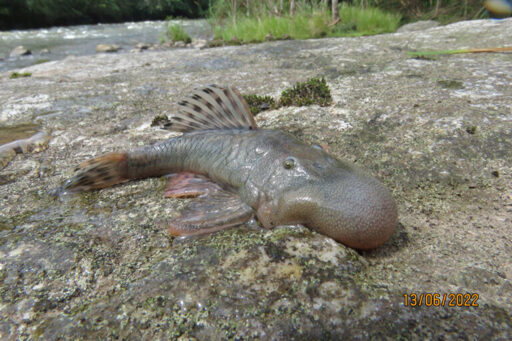
Scientists and Indigenous community members documented 27 new-to-science species in Peru’s Alto Mayo region, including four new mammals and a bizarre “blob-headed” fish that was already well-known to local people. The findings came from a 38-day expedition conducted in 2022 by Conservation International in collaboration with local Awajún Indigenous communities.